A Festival Packing List That Does Not Take Over Your Day
A festival packing list can keep essentials close and unnecessary gear out, so you spend less time rummaging and more time enjoying the performances.
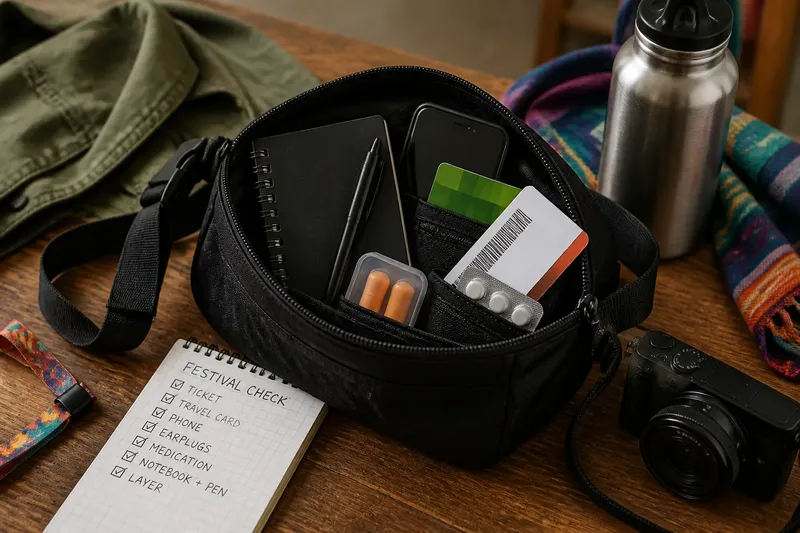
Which things do you actually need in your festival bag? A festival packing list is most useful when it protects the small moments around the music: finding your ticket at the gate, keeping medication accessible, or getting a layer out before the journey home.
Start with essentials
Separate the items you need to enter, travel and manage personal needs from everything that would merely be pleasant to have. Tickets, travel details, payment and prescribed medication belong in the first group when they apply. Keep health or access needs out of any later decision to slim the bag.
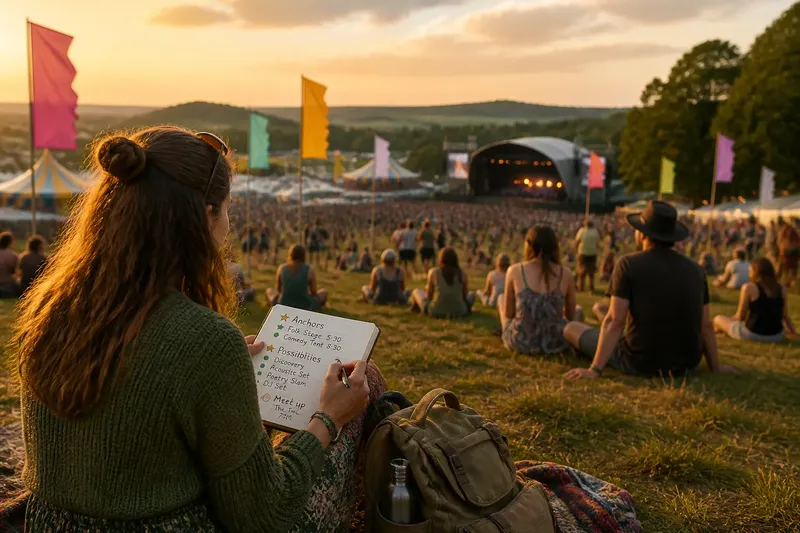
Then consider the objects that make a festival day feel like yours. Perhaps you want earplugs for loud sets, a notebook for writing down a new band’s name, or a small camera if the event permits it. These are not universal necessities; they earn their place because they support a particular way of being at the event.
Check the organiser’s current entry rules for the items you are considering, especially bags, bottles and camera equipment. If the guidance is unclear, ask the organiser or leave a questionable item at home rather than discovering the restriction at the entrance.
Choose personal comforts
A useful bag often reflects how you want to experience the day, not just what the weather might do. If you plan to move between performances, a notebook and pen may matter less than having your ticket easy to reach. If you expect to spend a long stretch listening in one place, earplugs may be more valuable than an extra accessory.
Give each optional item a specific job. “For the band I want to remember” is a reason for a notebook. “In case something happens” is not yet a reason for another bulky object; decide what situation you mean and whether the item would actually help.
Imagine you are going to an indoor festival and want to note unfamiliar acts, but the venue does not permit loose bottles. You choose a pocket notebook, pen, earplugs, ticket, phone and travel card, then leave a bottle and a second camera battery at home because neither fits the venue rules or your plans. The result is a bag with a clear purpose, and you can still record the names you wanted to remember.
Keep useful items reachable
What you carry matters, but so does whether you can find it without emptying the bag. Put the ticket and travel card in a secure pocket you can reach at the entrance. Keep earplugs or medication in a consistent, accessible place, while items you will use less often can sit deeper in the bag.
Before leaving, put the intended contents together and carry the bag around the room. If the strap digs in or the contents shift, remove an optional item or rearrange them. If a health or access item causes a fit problem, look for a more suitable bag rather than leaving that need unmet.
Which items earn a place?
Do I need a notebook?
Take one if you expect to write down performers, lyrics or impressions and enjoy doing so. If you usually rely on your phone for notes, leave the notebook behind unless the event or your preference gives it a distinct purpose.
Should I bring earplugs?
Earplugs can be a sensible personal comfort for loud performances. Choose a pair that suits you and keep it somewhere easy to reach; ask a qualified health professional if you need advice about hearing protection.
How can I avoid bringing duplicates?
Lay out items that serve the same purpose, such as two ways to take notes or several camera accessories. Keep the option you are most likely to use, unless another is needed for a personal, health or access reason.
What should I do with uncertain items?
Check the event’s entry guidance and contact the organiser if the wording leaves a real doubt. When there is no clear answer, choose a permitted alternative or go without the item.
Make the final choices
Use this short check before closing your bag. Each answer should lead to a decision, not another round of speculative packing:
- Check whether the item supports a named plan; if it does, keep it, and if it does not, leave it out unless it meets a personal need.
- Check the organiser’s rule for the item; if it is permitted, keep considering it, and if it is prohibited, remove it or choose an allowed alternative.
- Check whether another item already does the same job; if it does, choose the one you prefer, and if neither is needed, pack neither.
- Check whether you can reach the item when needed; if you can, place it in its intended pocket, and if you cannot, rearrange the bag or choose a more accessible option.
- Check whether carrying the item is comfortable; if it is, keep it, and if it is not, remove an optional item or select a better-fitting bag.
- Check whether the item is needed for health or access; if it is, retain it and adjust the bag around it, and if it is not, weigh it against your plans and comfort.
This is a way to choose, not a universal packing formula. A camera, notebook or spare layer may be central to one person’s day and dead weight to another’s.
What will you remember?
After the festival, notice which objects helped you take part in the moments you cared about. Perhaps your notebook made it easier to remember a promising new band; perhaps a camera stayed in its case while you watched the set. That observation can guide the next decision without turning one day into a rule for every event.
For a festival packing list, the useful question is not whether every possibility has been covered. It is whether the things you chose let you be present, take care of your needs and carry your attention where you want it.